Por qué 9.5 toneladas y 25kW definen un extractor profesional de alambre de neumáticos OTR
En la industria del reciclaje pesado, la física no miente. Cuando intentas extraer la bola de acero de un neumático OTR de 4000mm, tú…
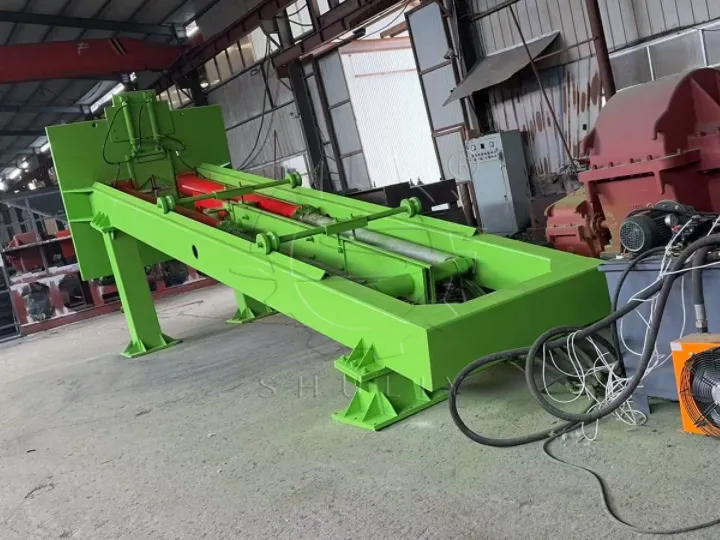
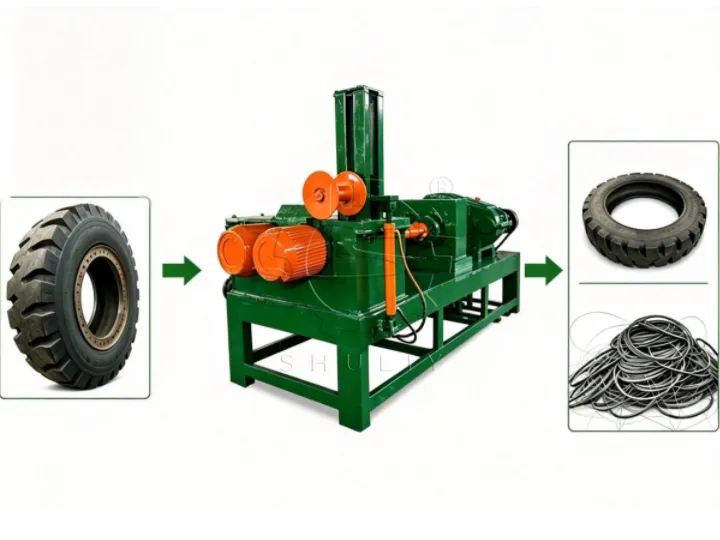
En la industria del reciclaje pesado, la física no miente. Cuando intentas extraer la bola de acero de un neumático OTR de 4000mm, luchas contra fuerzas estructurales inmensas. A esta escala, un extractor de alambre de neumáticos estándar ya no es suficiente; necesitas una máquina diseñada para estrés extremo.
Muchos clientes preguntan: “¿Por qué el Debeader OTR de Shuliy es tan pesado? ¿Y por qué necesito una unidad de potencia de 25kW?” La respuesta radica en la ingeniería necesaria para garantizar una fiabilidad 24/7 y un rendimiento perfecto del extractor de alambre de neumáticos, construido en torno a un sistema de amortiguación integrado.
El Amortiguador Mecánico de 9,5 Toneladas: Por qué la Masa Equivale a Estabilidad
Al tirar de la bola de un neumático OTR se genera una onda de choque violenta en energía en el momento en que se suelta. Un extractor de alambre de neumáticos ligero vibrará, se desplazará o sufrirá fatiga estructural bajo este impacto repetido.
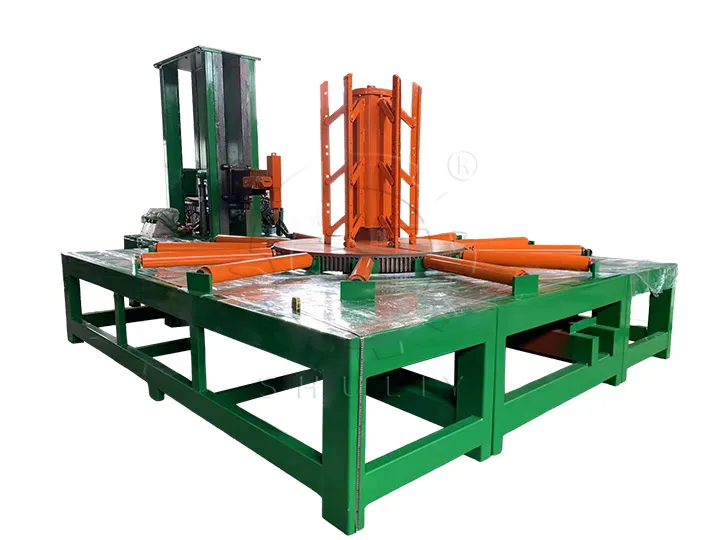
Nuestro marco de acero reforzado de 9,5 toneladas (9500kg) actúa como un amortiguador mecánico masivo. Esta masa pura es esencial para absorber y disipar esta energía, protegiendo la máquina y al operador. Asegura que el cilindro hidráulico y el gancho permanezcan en perfecta alineación, evitando deslizamientos del gancho o roturas prematuras del alambre.
El Sistema de Amortiguación Hidráulica de 25kW: Torque Sostenido y Amortiguado
Para que un extractor de alambre de neumáticos maneje neumáticos de hasta 4000mm, necesitas más que solo potencia; necesitas un par amortiguado y sostenido.
Shuliy utiliza un sistema hidráulico de doble motor de 25kW (22 3 kW). Esta configuración está diseñada para:
- Mantener Presión Constante: Asegura que la bomba hidráulica entregue la máxima presión ininterrumpida de principio a fin, evitando el “atasco” común en máquinas con poca potencia.
- Actuar como Amortiguador Hidráulico: El propio fluido hidráulico absorbe las vibraciones de alta frecuencia y los picos de presión durante el tirón. Este amortiguamiento hidráulico protege los sellos, bombas y válvulas de daños, aumentando drásticamente la vida útil de la máquina.
Esta combinación de un sistema de amortiguación mecánico e hidráulico es lo que permite a nuestro extractor de alambre de neumáticos operar tres turnos al día en los entornos más duros.
El Ciclo de 2 Minutos: Donde la Ingeniería Encuentra la Rentabilidad
En una planta profesional, un extractor de alambre de neumáticos es el corazón de la línea de producción. Si la extracción tarda 10 minutos, tu trituradora de millones de dólares está inactiva.
By combining 9.5 tons of stability with 25kW of hydraulic muscle, our OTR tire debeader achieves a full extraction cycle in just 2 minutes. This isn’t just speed; it’s a testament to the machine’s efficiency in converting electrical energy into pure, controlled pulling force.
Diseño de Gancho Sin Fallos
El gancho es el componente más sometido a estrés de cualquier extractor de alambre de neumáticos. Shuliy utiliza un gancho de acero aleado patentado, tratado térmicamente para soportar cargas repetidas de 100 toneladas. Esto garantiza que el gancho no se deforme ni se rompa, incluso después de miles de ciclos en neumáticos de 4000mm.
Lista de Verificación de Especificaciones Técnicas para Compradores de OTR
| Métrica de Ingeniería | Por qué Es No Negociable |
|---|---|
| Masa de la Máquina | 9500kg para integridad estructural y amortiguación mecánica. |
| Potencia total | 25kW (22 3) para torque sostenido y amortiguación hidráulica. |
| Capacidad Máxima | 4000mm diámetro – el estándar de oro para neumáticos de minería. |
| Velocidad de Ciclo | 2 Minutos – asegurando cero cuellos de botella en la línea de producción. |
Conclusión: Ingeniería vs. Estimación
Cuando inviertes en un extractor de alambre de neumáticos, no solo estás comprando acero y aceite; estás comprando una solución ingenieril a un problema físico complejo. Una máquina ligera se basa en estimaciones; el Debeader OTR de Shuliy se basa en una ingeniería rigurosa y un profundo entendimiento de la dinámica de fuerzas.
Si tu objetivo es procesar los neumáticos más grandes del mundo con un 99% de pureza y cero tiempo de inactividad no planificado, solo un extractor de alambre de neumáticos de alta resistencia y alta potencia con un sistema de amortiguación integrado será suficiente.
¿Quieres ver los resultados de la prueba de estrés de nuestro Debeader OTR de 9,5 toneladas?
Contacta con Shuliy Machinery hoy para una inmersión profunda en nuestras especificaciones de ingeniería hidráulica.