How to Choose a Waste Tire Shredder: The Complete Buyer’s Guide
A waste tire shredder is the core size-reduction machine in a tire recycling line, and choosing the right one affects everything from…
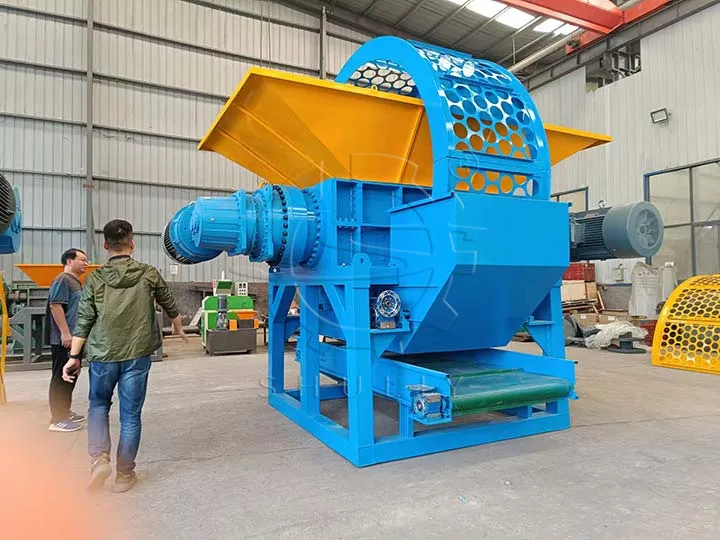
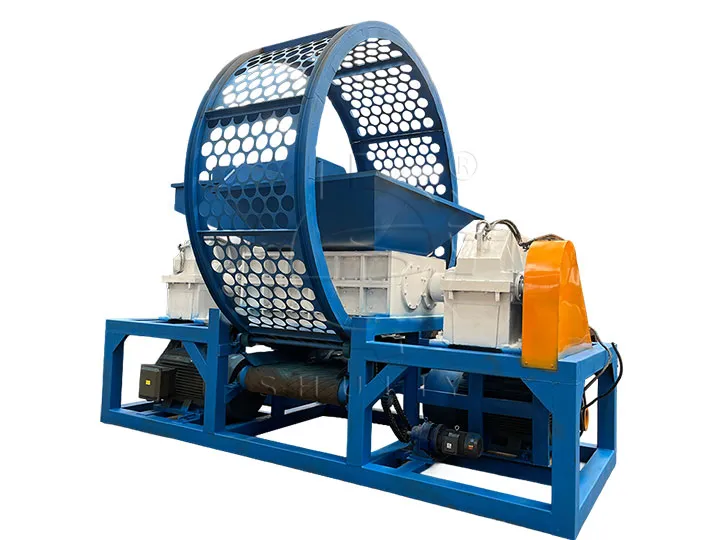
A waste tire shredder is the core size-reduction machine in a tire recycling line, and choosing the right one affects everything from throughput to running costs. This guide covers the key factors — capacity, feedstock, blade quality, output control and supplier support — to help you select the right model.
Start Here: Let Your End Product Decide the Machine
Before you compare capacities or prices, answer one question: what are you selling? Your final product sets every other spec.
- Tire-derived fuel (TDF) for cement kilns, power plants and boilers → coarse rubber chips are enough; a single-stage rubber tire shredder does the job.
- Rubber blocks for tiles, mats, flooring and playground surfaces → uniform 50–100 mm output matters, so screen control becomes critical.
- Crumb rubber & rubber powder → the shredder is only step one; it must feed cleanly into downstream grinding and separation.
- Modified asphalt → consistency and low fiber contamination drive the sizing.
Nail this first, and the rest of the guide becomes a simple checklist.
1. Match Capacity to Your Real Volume — With Room to Grow
Capacity (tons per hour) is the biggest single driver of model choice. Size it to your projected volume, not just today’s:
| Business stage | Capacity guide | Typical model |
|---|---|---|
| Small workshop/pilot line | 2–4 t/h | SL-900 / SL-1000 |
| Commercial recycling plant | 5–10 t/h | SL-1200 / SL-1500 |
| Large-scale project | 15–20 t/h | SL-1800 |
A tip from experience: buyers who spec exactly at today’s volume often hit a ceiling within a year and pay twice. Leaving 15–20% headroom is far cheaper than a second capital purchase.
2. Profile Your Feedstock Honestly
Not every waste tire shredder eats every tire. Match the machine to what you’ll actually feed it:
- Tire types: car, truck, bus, agricultural — and the big one, OTR tires, which usually need a customized, heavier configuration.
- Maximum diameter: confirm the input rating (models handle tires from under 900 mm up to 1,400 mm). Oversized tires that exceed the chamber will bottleneck the whole line.
- Steel and fiber content: truck and OTR tires carry far more steel wire — this demands stronger torque and tougher blades than passenger tires alone.
3. Whole Tires or Pre-Cut? Your Feeding Method Changes Everything
How material enters the chamber decides how much machine you need:
- Whole tires fed directly → requires a higher-torque whole waste tire shredder built for the extra load.
- Pre-cut or debeaded pieces → lets you size purely around output capacity, often at a lower price point.
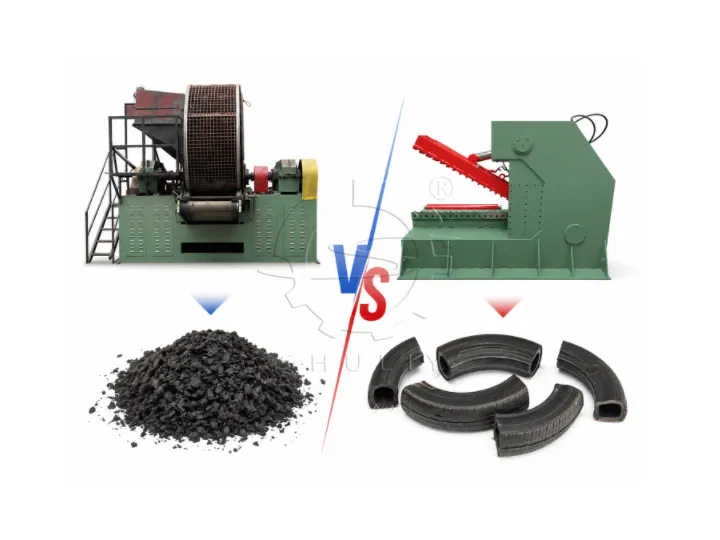
For large or steel-heavy tires, adding a tire cutter or debeader upstream improves feeding efficiency and protects the shredder from unnecessary strain — a small addition that extends machine life.
4. Inspect the Mechanical Core — This Is Where Quality Lives
Two machines can share the same brochure numbers and behave completely differently in the field. Look past the spec sheet at what actually wears out:
- Torque and drive system: a high-torque, twin-shaft design is what lets the machine tear through tough rubber and embedded steel continuously, rather than stalling and jamming.
- Blade metallurgy: blades are the #1 wear part. Insist on wear-resistant alloy steel blades with high hardness — they hold their edge, keep output stable, and cut your running costs. Just as important, confirm they’re designed for easy replacement so a blade change doesn’t cost you a day of production.
- Adjustable screen system: the screen controls output size and recirculates oversized pieces. Interchangeable screens let one machine serve multiple products (e.g., switch between coarse TDF chips and finer 50 mm blocks). A heavy-duty, thickened perforated screen resists deformation under load.
- Bearings, seals, and rotor build: these unglamorous parts determine uptime. Ask about protection against dust and debris ingress.
5. Don’t Overlook Safety and Maintenance Design
A machine that’s hard to service is a machine that sits idle. Prioritize:
- Built-in safety protection devices (overload protection, guarded feed openings, emergency stop).
- Maintenance-friendly structures that make blade and screen access quick — every minute of easier maintenance is a minute of production recovered.
6. Think in Lines, Not Machines
A waste tire recycling machine rarely works alone. A typical line runs:
Waste Tires → Debeader / Cutter → Waste Tire Shredder → Grinding & Separation → 纤维分离器 → Rubber Powder, Steel Wire & Fiber
Make sure your shredder can be integrated with downstream crushing, grinding and separation equipment, and that the supplier can customize the layout around your raw materials, capacity and target products. A shredder that doesn’t match your grinding stage simply relocates the bottleneck.
7. Vet the Supplier Like a Long-Term Partner
For overseas buyers, the manufacturer matters as much as the machine. Before you commit, confirm:
- Voltage & frequency adaptation to your country’s power supply.
- Spare parts availability — especially blades and screens — so a wear part is never a month-long shutdown.
- Installation support and technical guidance, remote or on-site.
- Proven export track record and references in your region or with similar tire types.
- Long-term after-sales service for global customers.
What Actually Drives the Price
The waste tire shredder machine price isn’t one number — it’s driven by model and capacity, blade configuration, screen options, and whether you’re buying a standalone unit or a complete recycling line. Compare total cost of ownership (blades, energy, uptime, service), not just the upfront figure. The cheapest waste tire shredder for sale is rarely the cheapest to run.
Common Mistakes to Avoid
- Under-sizing to save upfront — then hitting a capacity ceiling within the year.
- Chasing the lowest blade price — cheap blades mean frequent swaps and lost output.
- Buying a machine, not a line — ignoring downstream compatibility.
- Skipping supplier due diligence — after-sales and spare parts decide your uptime once the deal is done.
常见问题
What output size should I choose?
Standard output is 50–100 mm rubber blocks, adjustable via screen size — finer for further recycling, coarser for TDF.
Do I need a tire cutter before the shredder?
For large or steel-heavy tires, pre-cutting or debeading improves feeding and reduces load. The right setup depends on tire type and capacity.
Do you provide installation and after-sales service worldwide?
Yes — technical guidance, installation support, spare parts and long-term service for global customers.
Ready to Choose With Confidence?
The right tire shredding solution starts with matching capacity, feedstock and output to your business goals — and a partner who’ll keep it running for years. Send our engineers your production requirements and get a recommended model, complete line design, and quotation tailored to your project.