Tire Cutting Machine Safety Guide: Expert Tips for Safe Operation
Working with heavy machinery always carries risks. Tire cutting machines are no exception. These powerful hydraulic machines slice through tough rubber and…
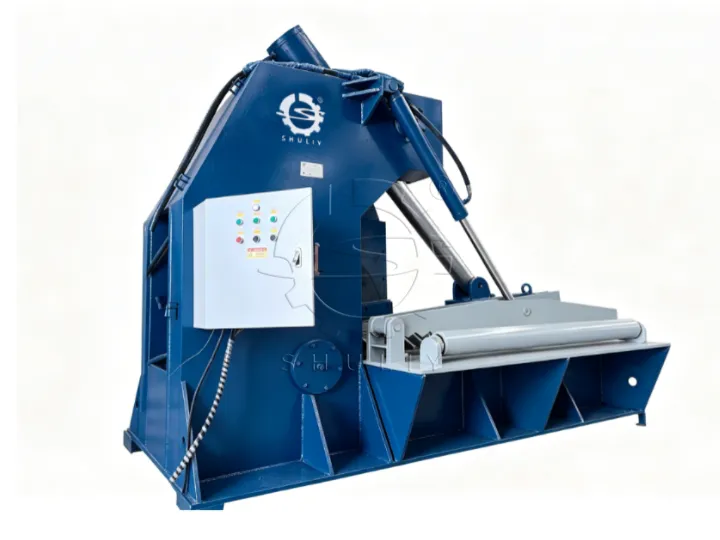
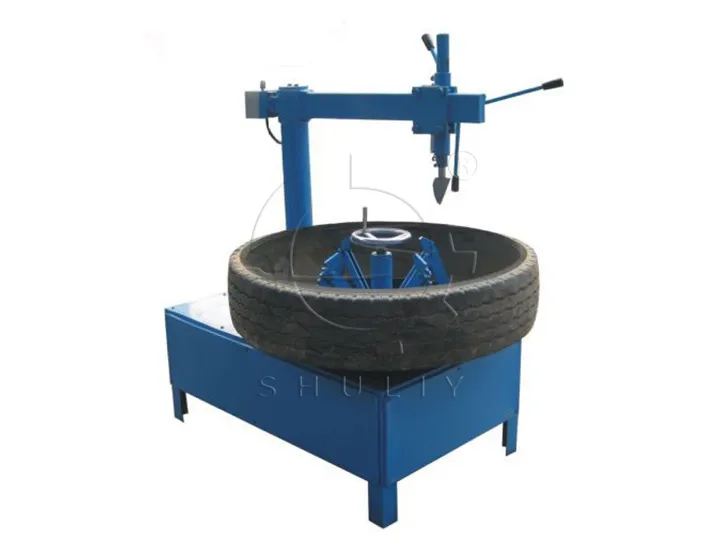
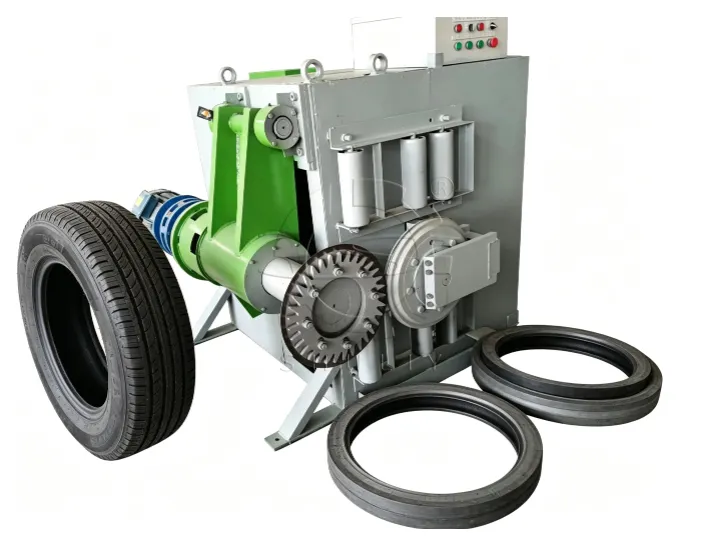
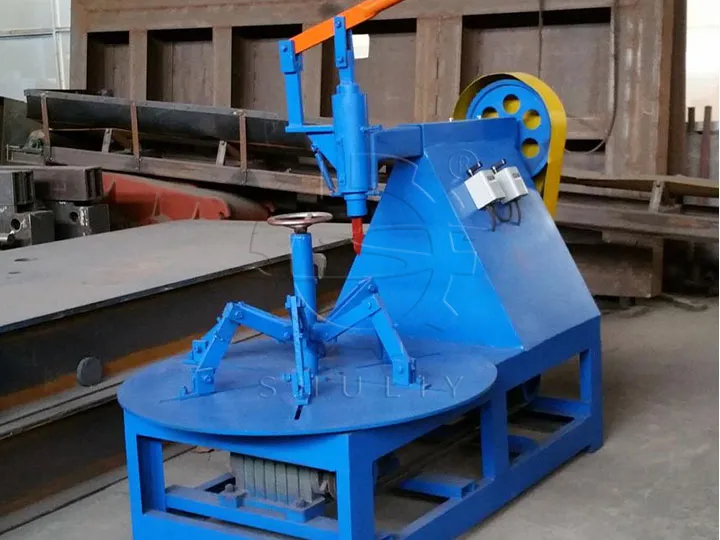
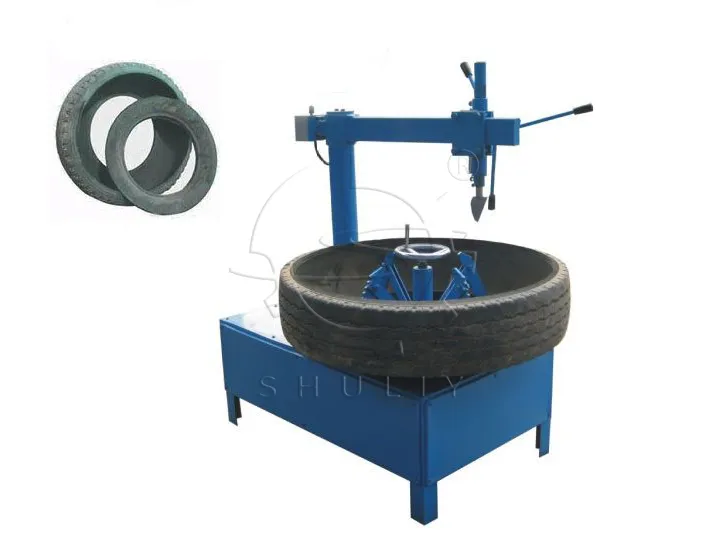
Working with heavy machinery always carries risks. Tire cutting machines are no exception. These powerful hydraulic machines slice through tough rubber and steel. Without proper safety procedures, accidents happen.
The good news? Most accidents are preventable. With the right tire cutting machine safety guides, your team can operate safely day after day.
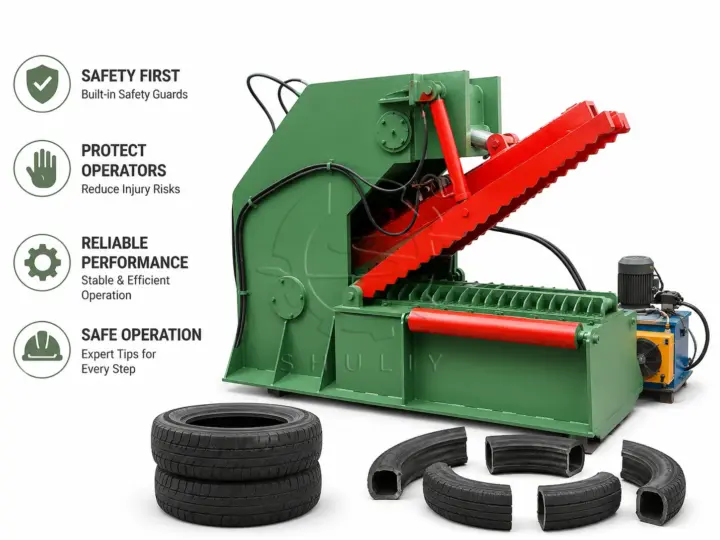
Why Tire Cutting Machine Safety Matters
Tire cutting machines involve several potential hazards. Sharp blades. High-pressure hydraulic systems. Heavy tire pieces. Powerful motors. Any of these can cause injury if mishandled.
But here’s the thing. These risks are manageable. Thousands of operators work with tire cutters every day without incident. They follow proper procedures. They wear the right gear. They stay alert.
Beyond protecting your people, safety procedures also protect your equipment. Proper operation means fewer breakdowns, lower repair costs, and longer machine life. It’s a win-win.
Before You Start: Pre-Operation Checks
Never skip the pre-operation check. This takes just a few minutes but catches most problems before they become dangerous.
Visual Inspection
- Check the blade condition. Look for cracks, chips, or excessive wear.
- Inspect hydraulic hoses for leaks, cracks, or bulges.
- Verify all safety guards are in place and secure.
- Check that emergency stop buttons are accessible and functional.
- Look for any loose bolts or fasteners.
Tire Preparation
This is critical. Never attempt to cut a tire that still has its bead wires intact. The steel wires can damage the blade, fly out dangerously, or cause the machine to jam.
Always use a tire debeader or wire drawing machine first. Remove all visible steel wires before cutting. This applies to all tire types – passenger, truck, and OTR.
Personal Protective Equipment (PPE)
Before operating the tire cutting machine, make sure you’re wearing:
Safe Operating Procedures
During Operation
- Keep hands and arms clear of the cutting area at all times.
- Never reach into the machine while it’s running.
- Stay alert and focused. Fatigue leads to accidents.
- Keep the work area clean. Remove tire debris regularly.
- Never leave the machine unattended while it’s running.
- Know where the emergency stop button is. Use it immediately if anything goes wrong.
Common Hazards to Avoid
Understanding specific hazards helps you stay safe:
Blade hazards. The blade is extremely sharp. Always wait for the blade to stop completely before approaching. Use tools to handle blades, not your hands.
Hydraulic hazards. Hydraulic fluid is under extreme pressure. A leak can penetrate skin and cause serious injury. Never inspect hydraulic lines while the machine is running.
Fly-out hazards. Even debeaded tires can have small wire fragments. These can fly out during cutting. Always wear safety glasses. Keep bystanders at a safe distance.
Crushing hazards. Heavy tire pieces can fall or shift unexpectedly. Use proper lifting techniques. Consider using lifting aids for large pieces.
Maintenance Safety
Regular maintenance keeps the machine running safely. But maintenance itself has risks.
- Always disconnect power before any maintenance work.
- Release hydraulic pressure before inspecting hoses or fittings.
- Lock out/tag out the machine to prevent accidental startup.
- Allow the blade to cool down before handling. Hot blades can cause burns.
- Follow the manufacturer’s guidelines for blade replacement.
Emergency Procedures
Be prepared. Know what to do if something goes wrong.
If an Accident Occurs
- Press the emergency stop button immediately.
- Call for help. Have emergency numbers posted visibly.
- Do not attempt to move injured persons unless they’re in immediate danger.
- Document what happened for future prevention.
Training Recommendations
Good training prevents accidents. Here’s what we recommend:
- New operators should complete supervised training before working alone.
- Refresh training annually, or whenever new equipment is introduced.
- Keep written safety procedures available at all times.
- Encourage operators to report any concerns or near-misses.
Conclusion
Safety isn’t optional. It’s essential. Following these tire cutting machine safety guides protects your workers, your equipment, and your business. Take time to train your team properly. It could save a life – or prevent a costly injury.
Questions about safe operation of your tire cutting machine? Our team is here to help. We can provide additional guidance specific to your equipment model.