
Tire Cutting Machine | Two Models for Different Needs
Getting big tires into manageable pieces is the first step in tire recycling. Our tire cutting machines do exactly that. We offer two models to match different business needs: one for standard passenger and truck tires, and a heavy-duty version for large OTR (off-the-road) tires used in mining and construction.
Whether you run a local recycling plant or handle massive mining tires, we have the right cutter for you.
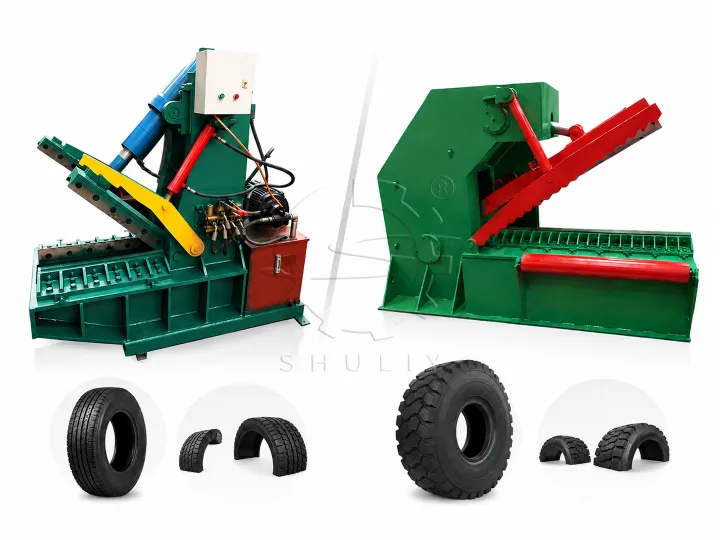
Why Your Recycling Line Needs a Tire Cutter
Think of the tire cutter as your first line of defense. It takes whole tires—some weighing hundreds of kilograms—and turns them into pieces small enough for the shredder to handle. This matters because trying to feed whole tires into a shredder often leads to jams, blade damage, and expensive downtime.
- Handles tires up to 1200mm (standard model) or 1400- 4000 mm (OTR model)
- Cr12MoV blades stay sharp longer, reducing replacement costs
- Fully automatic. One operator can manage the whole line.
- CE and ISO certified. Meets environmental standards worldwide.
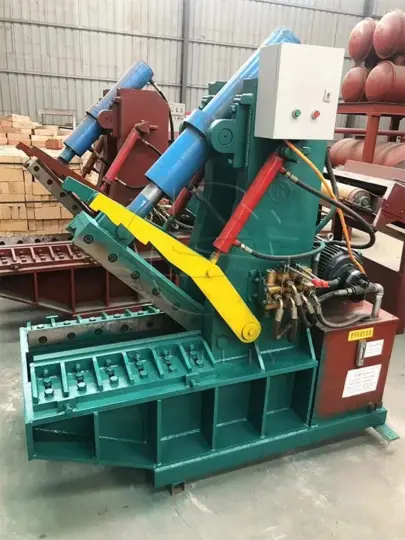
Standard Tire Cutting Machine
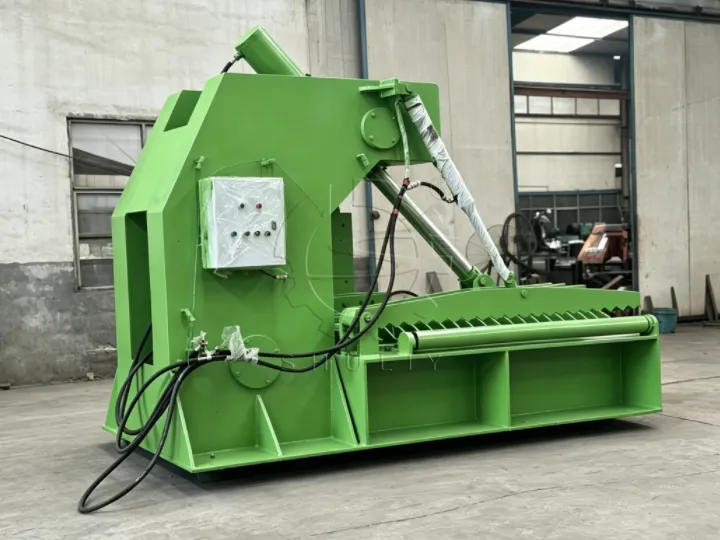
Our standard model is built for tire dealers, small recycling plants, and anyone processing passenger car, SUV, or truck tires. It handles tires up to 1200mm in diameter. The compact design fits easily into existing production lines.
| Capacity | 60 pieces/hour |
| Power | 7.5 KW |
| Machine Size | 1.7 x 0.8 x 1.85 m |
| Weight | 1,400 kg |
| Packaging | 1.9 x 1 x 2.1 m (wooden crate) |
| Blade Material | Cr12MoV |
| Input Tire Size | ≤1200 mm (after wire removal) |
| Output Size | ≤900 mm blocks |
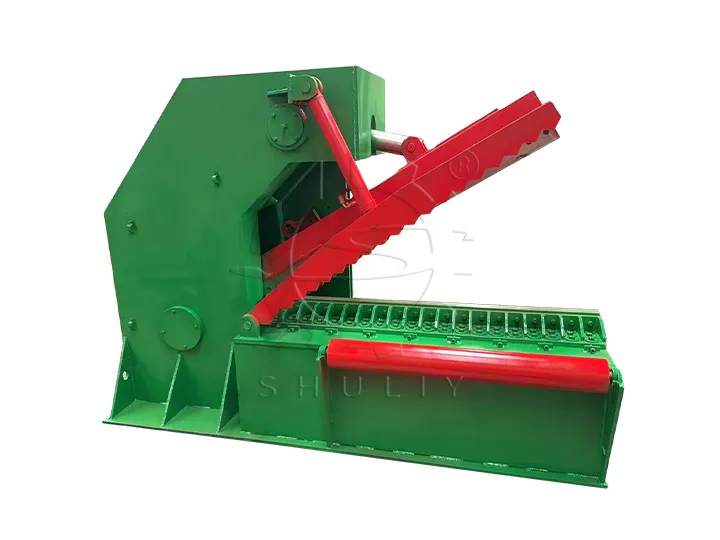
OTR Tire Cutting Machine
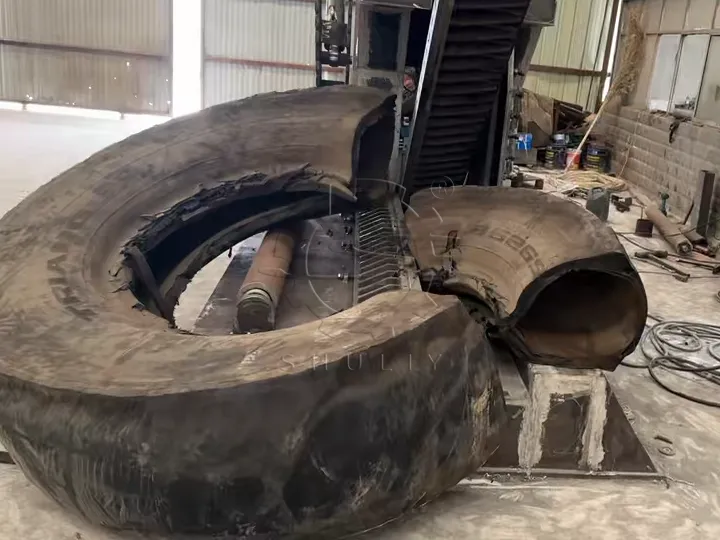
Mining operations, construction companies, and industrial facilities deal with entirely different kinds of tires. These OTR tires can weigh over 3 tons each and measure up to 4 meters in diameter. Our heavy-duty OTR cutter is built specifically for these giants.
This machine processes tires that have already been deveined (bead wires removed). It cuts them into manageable pieces that can then fed into the shredding stage.
| Cutting Capacity | 2 cuts per minute |
| Power | 7.5 KW |
| Machine Size | 3.13 x 1.65 x 2.7 m |
| Weight | 7,200 kg |
| Input Tire Size | 1400-4000 mm (bead removed) |
| Blade Material | Cr12MoV (Chromium Molybdenum Vanadium) |
| Packaging | Special transport (no crate) |
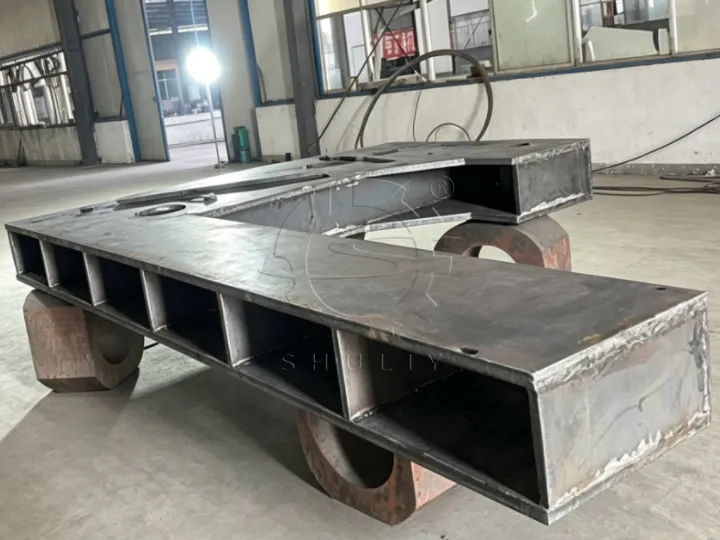
- Built like a tank. 7,200 kg of solid steel for stable, vibration-free cutting.
- Processes giant mining truck tires, loader tires, and earthmover tires.
- Fast. 2 cuts every minute keeps your whole line moving.
- Premium blades mean fewer changeovers and lower operating costs.
How It Works
Here’s what happens in a typical cutting cycle:
- First, the tire goes through our wire drawing machine to remove the bead wires. This step is critical—cutting tires with wires inside damages blades and creates safety hazards.
- The deveined tire is placed on the cutting platform.
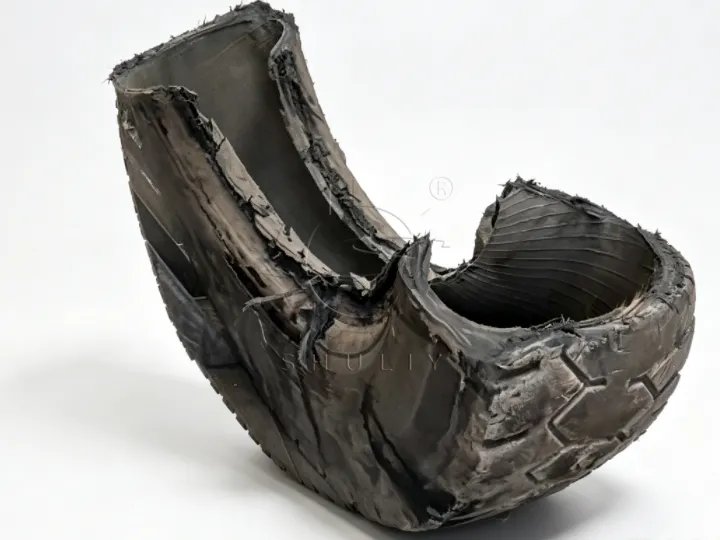
- The hydraulic system lowers the sharp blade. One clean cut splits the tire.
- The cut pieces—now roughly 900mm or smaller—are ready for the shredder.
For OTR tires, the process is similar. But because these tires are so massive, the OTR cutter uses a stronger hydraulic system and larger blade to get the job done in just 30 seconds per cut.
Who Uses These Machines
Tire Dealers and Recycling Plants — They process thousands of passenger and truck tires every month. The standard cutter handles this volume easily. Low maintenance costs mean better profits.
Mining Companies — Large mines go through hundreds of giant OTR tires each year. Disposing of them is expensive. These cutters let mines process the rubber on-site, turning waste into sellable material.
Construction and Industrial Facilities — Bulldozers, loaders, and excavators all use massive tires. When they wear out, this equipment handles the cutting job that regular machines simply cannot do.
Waste Management Companies — They collect tires from multiple sources and need versatile equipment. Having both models means they can take any tire that comes through the door.
Successful Projects in South Africa & Indonesia
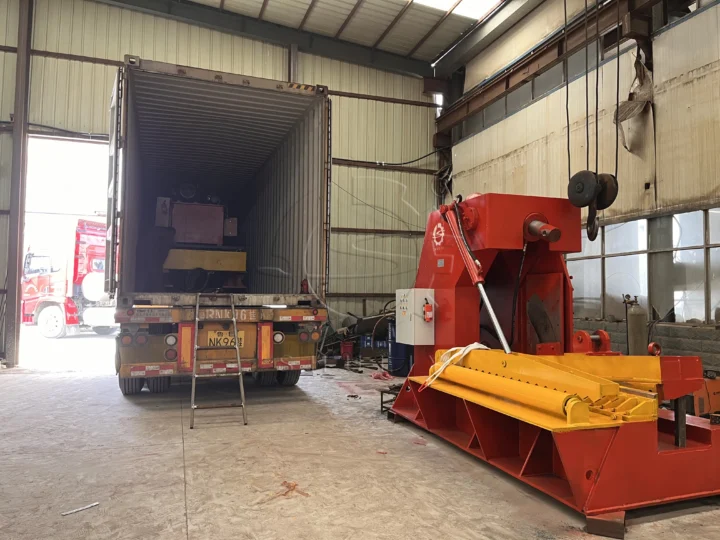
Our tire cutting machines have been successfully delivered to customers in South Africa and Indonesia for truck tire recycling projects. By cutting whole tires into smaller sections before shredding, the machines help improve processing efficiency and reduce the workload on downstream shredders. We also provide machine installation guidance, spare parts support, and technical assistance to ensure smooth operation.
What You Get
- One-year warranty on the whole machine
- Free installation and training at your site
- Spare parts shipped within 24 hours
- Technical support for the life of the machine