Что такое машина для резки боковой стенки шины и почему это важно?
В переработке шин самое большое препятствие — это не резина, а сталь. Каждая шина содержит высокопрочный стальной борт, встроенный в…
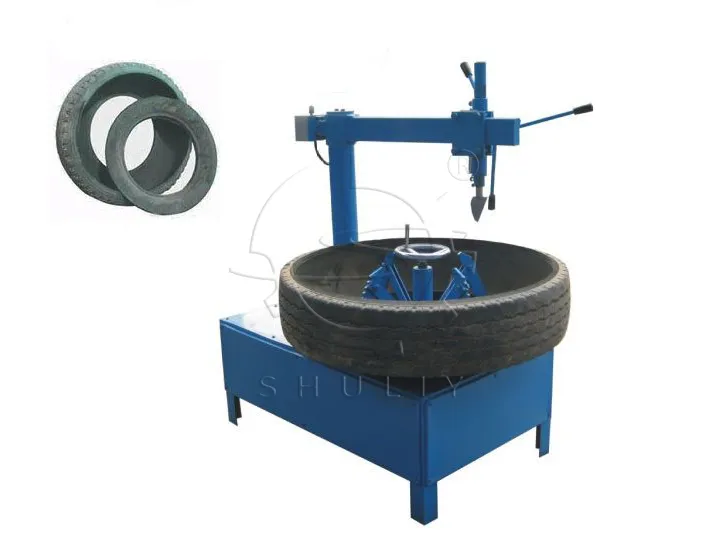
В переработке шин самое большое препятствие — это не резина, а сталь. Каждая шина содержит высокопрочный стальной борт, встроенный в боковину. Эта часть чрезвычайно прочная и трудно обрабатывается напрямую. Поэтому большинство систем переработки начинают с машины для резки боковин шин.
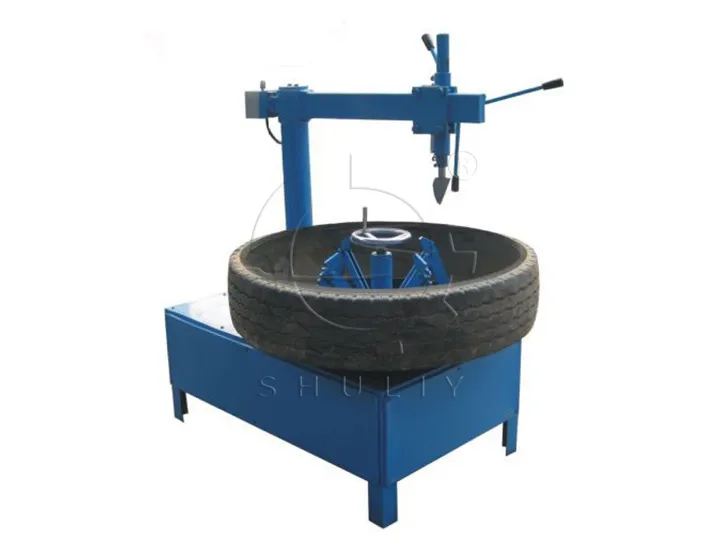
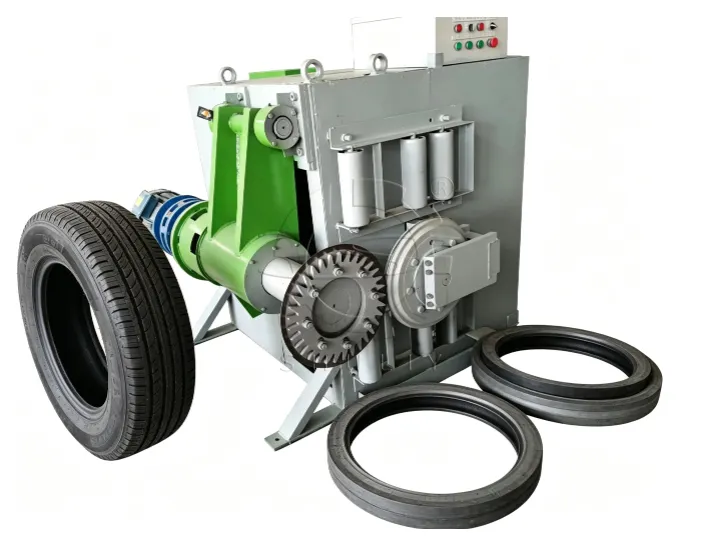
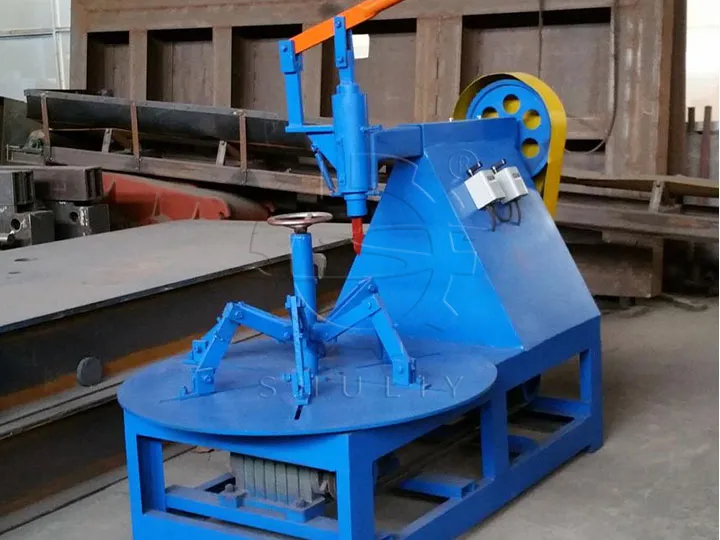
Машина для резки боковин шин предназначена для резки и удаления внешнего кольца шины, отделяя стальной борт от резинового корпуса перед дальнейшей обработкой.
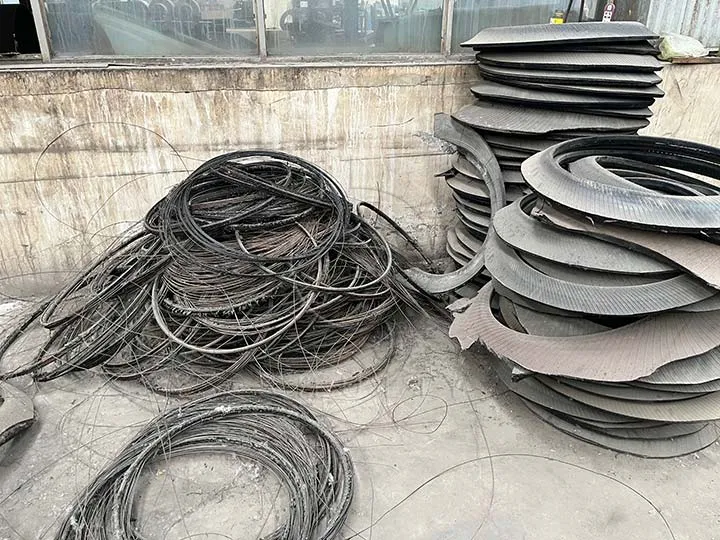
Что произойдет, если пропустить этот шаг?
Многие начинающие инвесторы недооценивают этот этап. Но на практике пропуск удаления боковин часто приводит к:
- Частые повреждения измельчителей
- Низкая эффективность дробления
- Повышенные затраты на обслуживание
- Нестабильный выпуск продукции
The reason is simple: steel beads are much harder than rubber and can quickly wear out blades or even cause machine failure. By using a машина для резки боковины шины, the steel-containing ring is removed early, making the rest of the process smoother and more predictable.
Как работает машина для резки боковин шин?
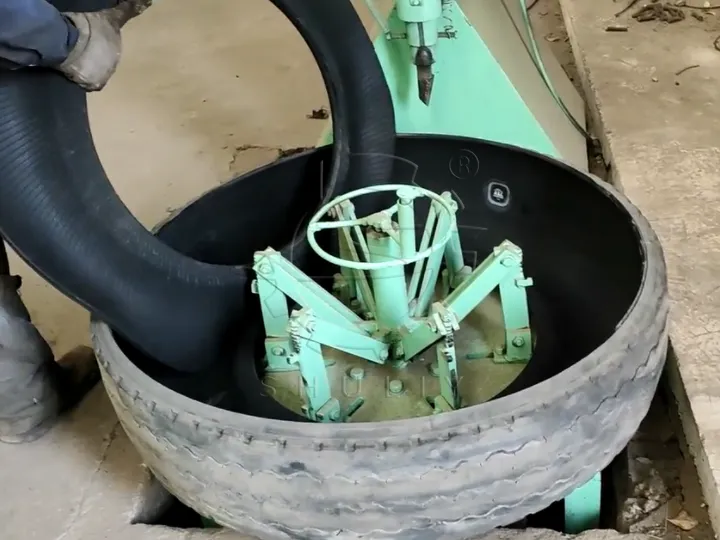
Принцип работы прост и практичен. Оператор помещает шину на вращающийся рабочий диск. Как только машина запускается, шина стабильно вращается, а режущий нож входит в область боковины.
Шаг за шагом нож режет вдоль края шины, пока боковинное кольцо полностью не отделится.
Конечный результат включает:
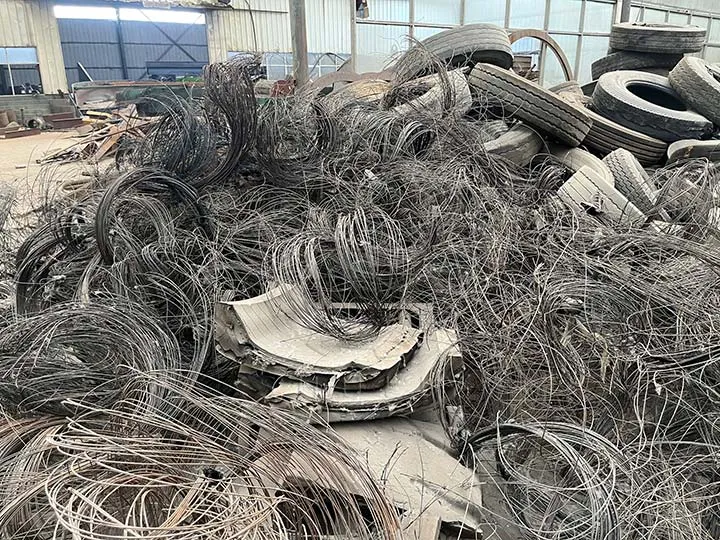
- Боковинные кольца со стальной проволокой
- Коронка шины (резиновая часть без стального борта)
Это разделение позволяет более эффективно обрабатывать каждый материал на следующих этапах.
Где она используется в процессе переработки?
A tire sidewall cutting machine is typically the first step in a полуавтоматическая линия по переработке шин.
Обычно процесс предварительной обработки выглядит так:
- Резка боковины (удаление стального борта)
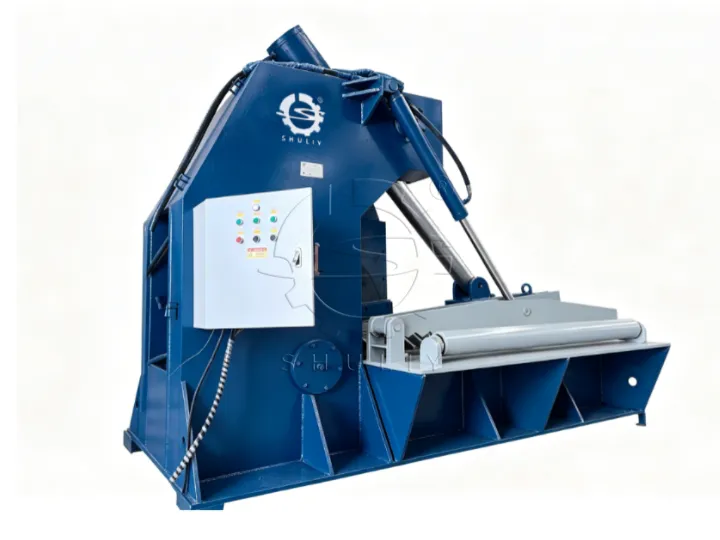
- Резка полос (нарезка в резиновые полоски)
- Резка блоками (нарезка на меньшие части)
- Измельчение или шлифовка
Этот поэтапный подход широко используется, потому что он снижает нагрузку на оборудование и повышает общее качество продукции.
Распространённые решения предварительной обработки в переработке шин
На практике не все заводы по переработке шин используют одинаковые методы предварительной обработки. Конфигурация зависит от уровня инвестиций, требований к автоматизации и типов шин. В полуавтоматической линии производства резинового порошка роль резчика боковин играет важную роль, удаляя стальной борт на ранней стадии, что облегчает и делает безопаснее последующие шаги. Для более масштабных операций часто используют более интегрированные решения, такие как:
- Машина для снятия шины + Машина для резки шин
- Интегрированный резчик шин и машина для резки + разделитель стального борта
Эти системы предназначены для снижения ручной обработки и повышения пропускной способности. Вместо поэтапной резки они ориентированы на более быструю и непрерывную обработку.
Какое решение лучше?
Нет единого «лучшего» решения — есть только то, которое подходит вашему проекту.
- Полуавтоматические системы более гибки и требуют меньших инвестиций
- Автоматизированные системы обеспечивают более высокую эффективность, но требуют большего бюджета.
Для многих предприятий разумной стратегией является начать с полуавтоматической линии и позже модернизировать её.
Ключевые преимущества для перерабатывающих предприятий
С точки зрения бизнеса добавление машины для резки боковин шин приносит несколько практических преимуществ:
- Защищает оборудование downstream от повреждений сталью
- Повышает общую эффективность обработки
- Уменьшает частоту замены ножа
- Обеспечивает лучшее разделение стали и резины
Кроме того, отделённый стальной борт можно дополнительно перерабатывать и продавать, создавая дополнительную ценность из отходов шин.
Какие типы шин он может обрабатывать?
Типичная машина для резки боковин шин может обрабатывать широкий диапазон размеров шин, включая:
- Шины легковых автомобилей
- Автомобильные шины
- Автобусные шины
Many machines are designed to process tires within a range of 650–1250 mm, covering most standard waste tires.
Заключение
Машина для резки боковин шин — это не просто вспомогательный инструмент, а ключевой этап, который определяет, будет ли ваш процесс переработки проходить гладко. Удаляя самую жёсткую часть шины в начале, она защищает оборудование, повышает эффективность и помогает извлечь больше ценности как из резины, так и из стали. Для тех, кто планирует проект по переработке шин, именно здесь начинается настоящий процесс.