Scrap Tire Cutter: Complete Guide for Your Recycling Business
Starting a tire recycling business? Then you need to think about a scrap tire cutter. This machine is the backbone of any…
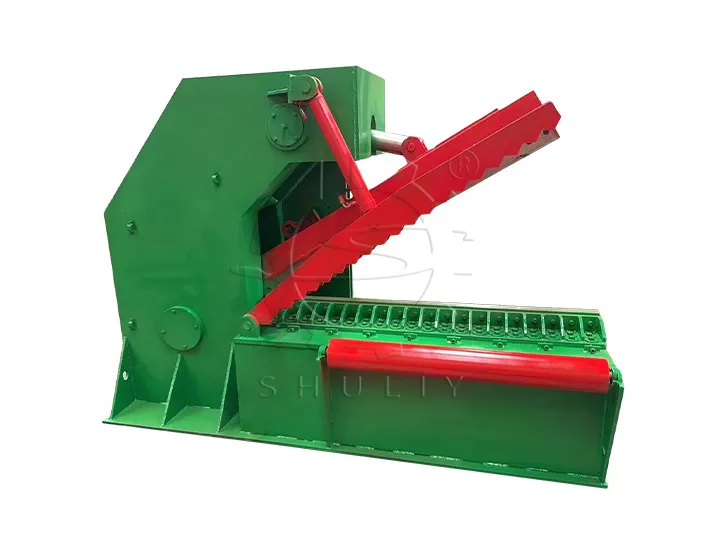
Starting a tire recycling business? Then you need to think about a scrap tire cutter. This machine is the backbone of any recycling operation. It takes those big, unwieldy tires and transforms them into pieces your shredder can actually handle.
But here’s the thing. Not all scrap tire cutters are created equal. Pick the wrong one, and you’ll spend more time fixing problems than making money. Pick the right one, and your operation runs like a well-oiled machine.
What Does a Scrap Tire Cutter Actually Do?
Let’s start with the basics. A scrap tire cutter, sometimes called a tire cutting machine or rubber tire cutter, is designed for one purpose: making big tires small.
Picture a standard truck tire. It weighs about 50 kilograms. It measures over a meter across. Trying to shove that into a shredder without preparation is a recipe for disaster. The machine jams. The blades break. Your production grinds to a halt.
The scrap tire cutter solves this problem. It slices through thick rubber and steel belts, reducing tires to manageable chunks. These chunks, typically between 50 and 900 millimeters, flow easily into your shredder. The result? Smoother operations, happier equipment, and more profit.
Why Your Recycling Business Needs a Scrap Tire Cutter
You might be wondering: can’t I just skip the cutting step? Here’s why that approach costs you money:
What to Look for in a Scrap Tire Cutter
Not sure what features matter? Here’s what experienced buyers prioritize:
Cutting Capacity
This is the first thing to check. What size tires can the machine handle? Smaller scrap tire cutter models handle passenger car tires up to about 900 millimeters. Larger units process truck tires and even massive OTR tires up to 4 meters in diameter.
Build Quality
Look for heavy-duty construction. A well-built scrap tire cutter lasts for years with minimal maintenance. Check the frame thickness. Look at the hydraulic system quality.
Blade Quality
The blade is the heart of any scrap tire cutter. Premium models use high-quality tool steel like Cr12MoV. These blades stay sharp longer and cut cleaner. Yes, they cost more upfront. But they save money over time.
Automation Level
More automation means less labor but higher upfront costs. Find the balance that makes sense for your operation. Semi-automatic scrap tire cutter models require more manual handling but cost less.
How Much Does a Scrap Tire Cutter Cost?
| Category | Price Range | Best For |
| Entry-level | $5,000 – $15,000 | Small operations, basic needs |
| Mid-range | $15,000 – $30,000 | Medium businesses, higher throughput |
| Heavy-duty | $30,000 – $100,000+ | Large operations, OTR tires |
The cheapest option isn’t always the most economical. Factor in blade replacement costs, maintenance needs, and expected throughput when making your decision.
Getting the Most from Your Scrap Tire Cutter
Once you’ve made your purchase, these tips help maximize your return on investment:
- Always debead first. Never try to cut tires that still have their bead wires. This damages blades and creates safety hazards.
- Maintain blades regularly. Sharp blades cut better and last longer. Check blade condition daily.
- Keep the machine clean. Rubber buildup affects performance. Clean the cutting chamber regularly.
- Train your operators well. Even the best scrap tire cutter underperforms in untrained hands.
Ready to Choose?
Choosing a scrap tire cutter doesn’t have to be overwhelming. Start with these questions:
- What types of tires will I process most? (Passenger? Truck? OTR?)
- How many tires per hour do I need to process?
- What’s my budget, including maintenance costs?
- Do I have the power supply this machine requires?
- What level of automation do I need?
Answer these honestly, and you’ll find the right scrap tire cutter for your situation.
A scrap tire cutter is not optional for serious recycling operations. It’s an essential investment that pays for itself through higher throughput, lower operating costs, and better end products.
Take your time choosing. Consider your specific needs. The right scrap tire cutter will serve your business well for years to come.
Ready to explore options? Browse our tire cutting machines or talk to our team. We can help you find the perfect scrap tire cutter for your recycling business.