3 Signs You Need to Upgrade Your Fiber Separation Equipment
In tire recycling, efficiency is everything. Every part of your production line must work seamlessly to produce a profitable end product. But…
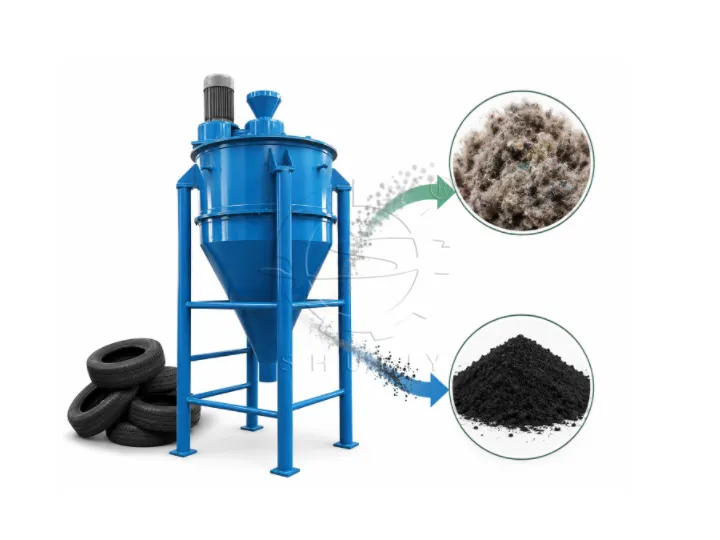
In tire recycling, efficiency is everything. Every part of your production line must work seamlessly to produce a profitable end product. But if you’re using outdated or inefficient methods to remove fibers, you could be losing money without even realizing it.
Is your current setup holding you back? Here are three signs it’s time to consider an upgrade to modern fiber separation equipment.
Your Rubber Powder Purity is Inconsistent
One of the most obvious signs is a final product that varies in quality. One day you might hit a high purity level, but the next, it’s contaminated with fiber. This inconsistency is a classic symptom of inefficient separation. It could be due to a poor sorting mechanism or an inability to handle different volumes.
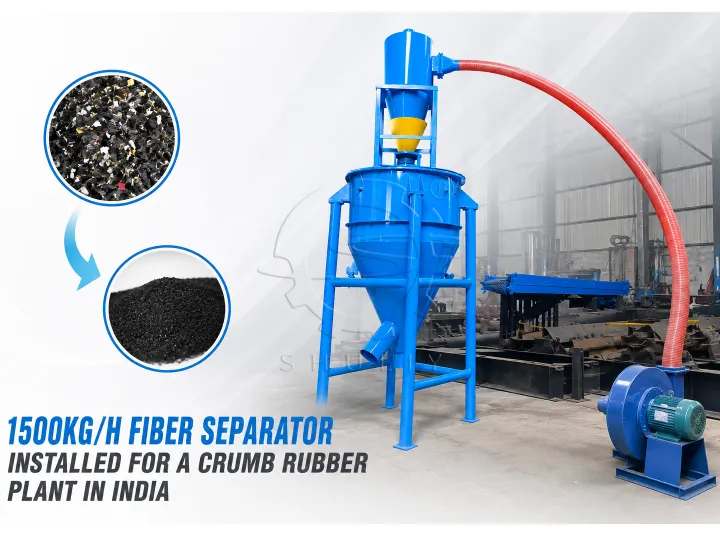
Modern fiber separation equipment uses technologies like precision air-flow sorting to consistently achieve purity rates of over 99%. This reliability means you can guarantee your customers a high-quality product every single time, building trust and securing repeat business.
Operating Costs Are Unusually High
Take a close look at your energy bills and material waste. Older equipment is often energy-intensive, driving up your monthly expenses. Furthermore, inefficient separation can lead to a significant amount of good rubber powder being lost along with the discarded fibers. Every bit of lost rubber is lost profit.
Upgrading to new fiber separation equipment is an investment in efficiency. Look for machines designed for low energy consumption. The best systems are also gentle and precise, ensuring that only the lightweight fiber is removed while your valuable rubber powder is protected and preserved, maximizing your yield.
The System Requires Constant Manual Intervention
Are your workers constantly adjusting the machine, clearing clogs, or dealing with dust spillage? Frequent downtime for maintenance and repairs is a major red flag. This not only increases your labor costs but also creates bottlenecks in your entire tire recycling line, slowing down production.
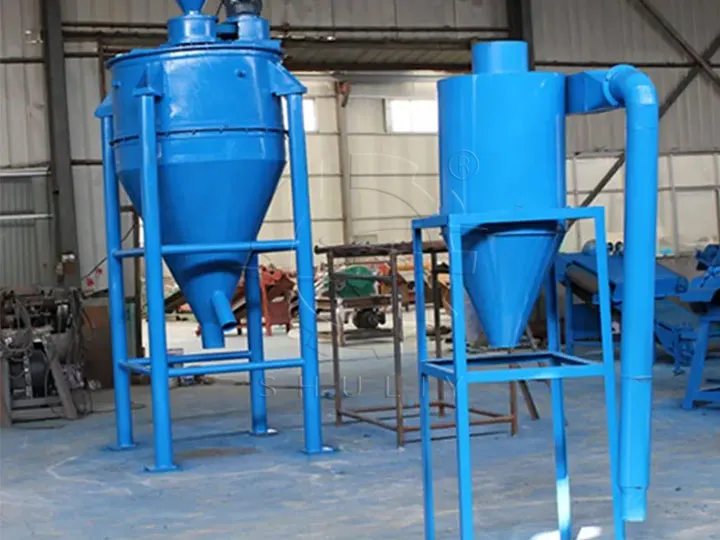
A modern, well-designed machine should integrate smoothly into your workflow. Automated systems that are both durable and low-maintenance free up your team to focus on more productive tasks. An enclosed, eco-friendly design also eliminates dust and secondary pollution, creating a safer and cleaner working environment.
If any of these signs sound familiar, it’s time to explore how upgrading your fiber separation equipment can lead to higher purity, lower costs, and a more streamlined, profitable operation.